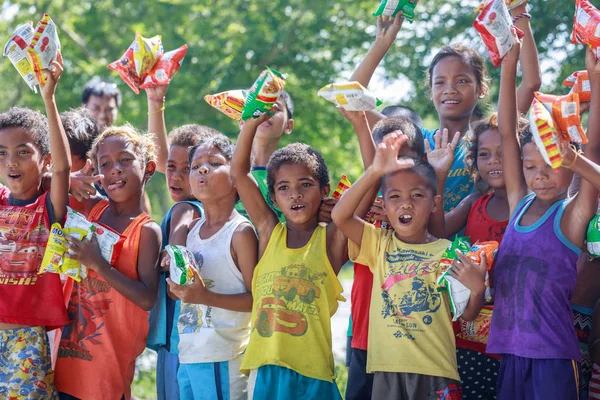
The Santo Niño Feeding Program is a community-based initiative that aims to provide nutritious meals to children who come from low-income families. The program is named after the Santo Niño, a religious icon that is widely venerated in the Philippines.
The program was established in response to the growing problem of child malnutrition in the Philippines. According to the World Health Organization, more than 2 million children in the country suffer from acute malnutrition, which can lead to stunted growth, weakened immune systems, and even death.
The Santo Niño Feeding Program operates in various communities across the Philippines. It is usually run by local volunteers, who prepare and serve the meals to the children. The meals typically consist of rice, vegetables, and protein sources such as meat or fish.
Aside from providing meals, the program also aims to educate children and their families about proper nutrition and healthy eating habits. Volunteers often conduct workshops and seminars on topics such as food preparation, food safety, and balanced diets.
The Santo Niño Feeding Program has been successful in improving the health and well-being of many children in the Philippines. It has also helped to strengthen the bonds within communities, as volunteers and donors work together to support the program.
Despite its success, the program still faces challenges. One of the biggest challenges is funding, as the program relies on donations and support from individuals and organizations. Additionally, the program often struggles to reach all the children who are in need of assistance, due to logistical and operational limitations.
Nevertheless, the Santo Niño Feeding Program remains an important and valuable initiative in the Philippines. It provides not only physical nourishment but also hope and support to children and families who are struggling with poverty and malnutrition.